
Kasteel Stoutenburg
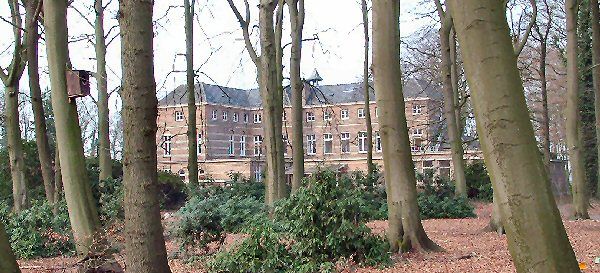
Take a look in advance
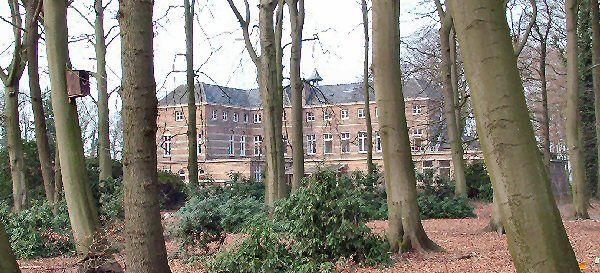
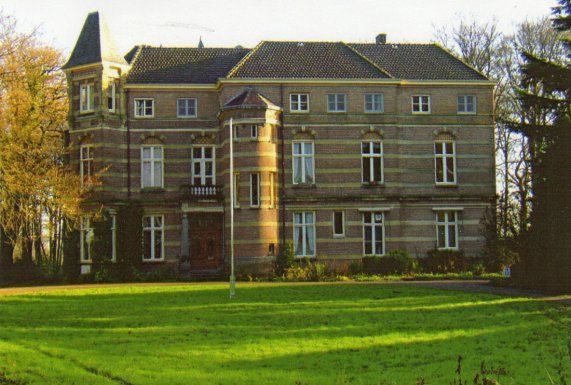
It served to protect the border between the Count of Gelre and the Bishop of Utrecht. Stoutenburg estate near Leusden, as mentioned above, possesses a long history.
The history of the estate begins with a 13th-century episcopal castle that may have evolved from an even older residential tower (=donjon) from the 11th century. In 1259, the castle was under construction. On June 12, 1259, the day Amersfoort received city rights from Bishop Hendrik I of Vianden, Walter (or Wouter), the lord of Amersfoort and sheriff of Eemland, settled at Stoutenburg. In events calender for the disposal of this castle, the then bishop of Utrecht granted city rights to Amersfoort.
The bishop used the castle to...
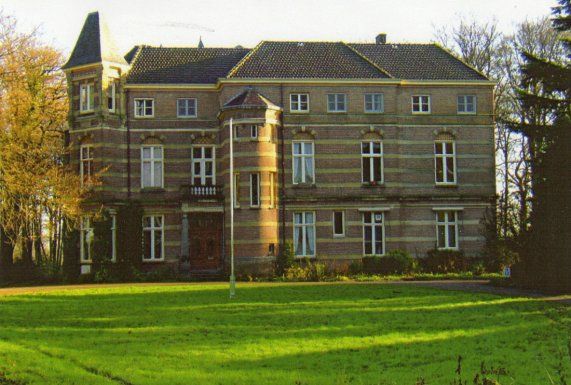
It served to protect the border between the Count of Gelre and the Bishop of Utrecht. Stoutenburg estate near Leusden, as mentioned above, possesses a long history.
The history of the estate begins with a 13th-century episcopal castle that may have evolved from an even older residential tower (=donjon) from the 11th century. In 1259, the castle was under construction. On June 12, 1259, the day Amersfoort received city rights from Bishop Hendrik I of Vianden, Walter (or Wouter), the lord of Amersfoort and sheriff of Eemland, settled at Stoutenburg. In events calender for the disposal of this castle, the then bishop of Utrecht granted city rights to Amersfoort.
The bishop used the castle to station warriors. The religious order of the Franciscan Friars Minor bought the neglected house in 1948 and turned it into a convent. The Franciscan Friars Minor left the building in late 1990 to make way for the community of the Franciscan Environmental Project, or "Environmental Monastery. That community is still there and also has its own offerings around spirituality and nature connection. Fun activities are organized throughout the year.