
Film course: The same is not the same 3
Contact
Lieve Vrouwestraat 13
3811 BP Amersfoort Plan your route to Filmcursus: hetzelfde is niet hetzelfde 3
Take a look in advance
A fresh, open and curious look at film. That is what film journalist and course instructor Kevin Toma (de Volkskrant) always enthusiastically conveys to his audience. With Same is Not the Same, he presents his latest and most adventurous course to date.
In this course, we often compare one film side by side with another to clearly see their similarities and differences. But even a single film can encourage comparative viewing, for example, through the use of match cuts and split screens. In this session, Kevin Toma will discuss film techniques that, each in their own way, appeal to the viewer’s capacity for association.
And you’re probably familiar with them—the deceptive…
A fresh, open and curious look at film. That is what film journalist and course instructor Kevin Toma (de Volkskrant) always enthusiastically conveys to his audience. With Same is Not the Same, he presents his latest and most adventurous course to date.
In this course, we often compare one film side by side with another to clearly see their similarities and differences. But even a single film can encourage comparative viewing, for example, through the use of match cuts and split screens. In this session, Kevin Toma will discuss film techniques that, each in their own way, appeal to the viewer’s capacity for association.
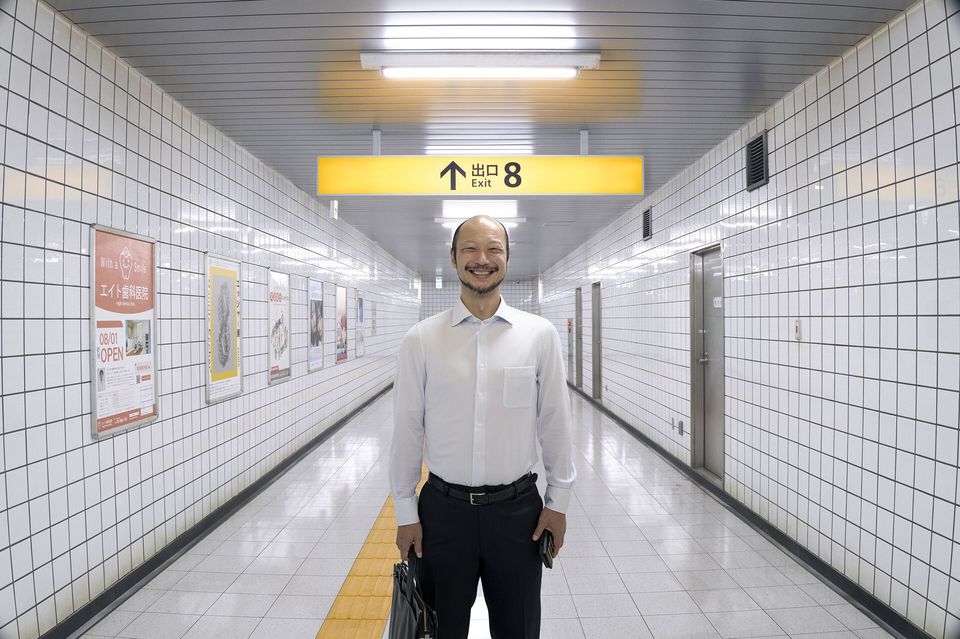
And you’re probably familiar with them: those deceptively identical puzzle pictures that invite the viewer to take a closer look for the subtle differences between them. Some movies also play this game to the fullest, if only by repeatedly placing their characters in exactly the same (or not quite identical) situations. Such time-and-space-loop films form a genre of their own, ranging from comedies (Groundhog Day) to sci-fi blockbusters (Edge of Tomorrow) and from classics (Lola rennt) to recent arthouse hits (Exit 8). In this third session, we’ll explore what makes these cinematic loops so fascinating, and what else a film can do to effectively repeat itself.
When
- Tuesday, November 17, 2026 00:00 - 00:00 Buy tickets
- Sold Out Tuesday, November 17, 2026 7 p.m. - 8:45 p.m. Buy tickets